

What Happens to Your Teeth During Veneer Placement: Step-by-Step
If you have been thinking about transforming your smile, veneers are one of the most popular options available. But many patients want to know exactly what happens to their teeth during veneer placement — step-by-step — before committing to treatment. At Havertown Dental Arts, Dr. David Maconi walks every patient through the full process. Understanding each phase helps you feel confident and prepared.
Step One: Your Veneer Consultation in Havertown
Every successful veneer case begins with a thorough consultation. Dr. Maconi examines your teeth, gums, and bite to determine whether veneers are the right fit for your smile goals. He also reviews your dental history and discusses any concerns you may have. This appointment is entirely about listening and planning — not pressure.
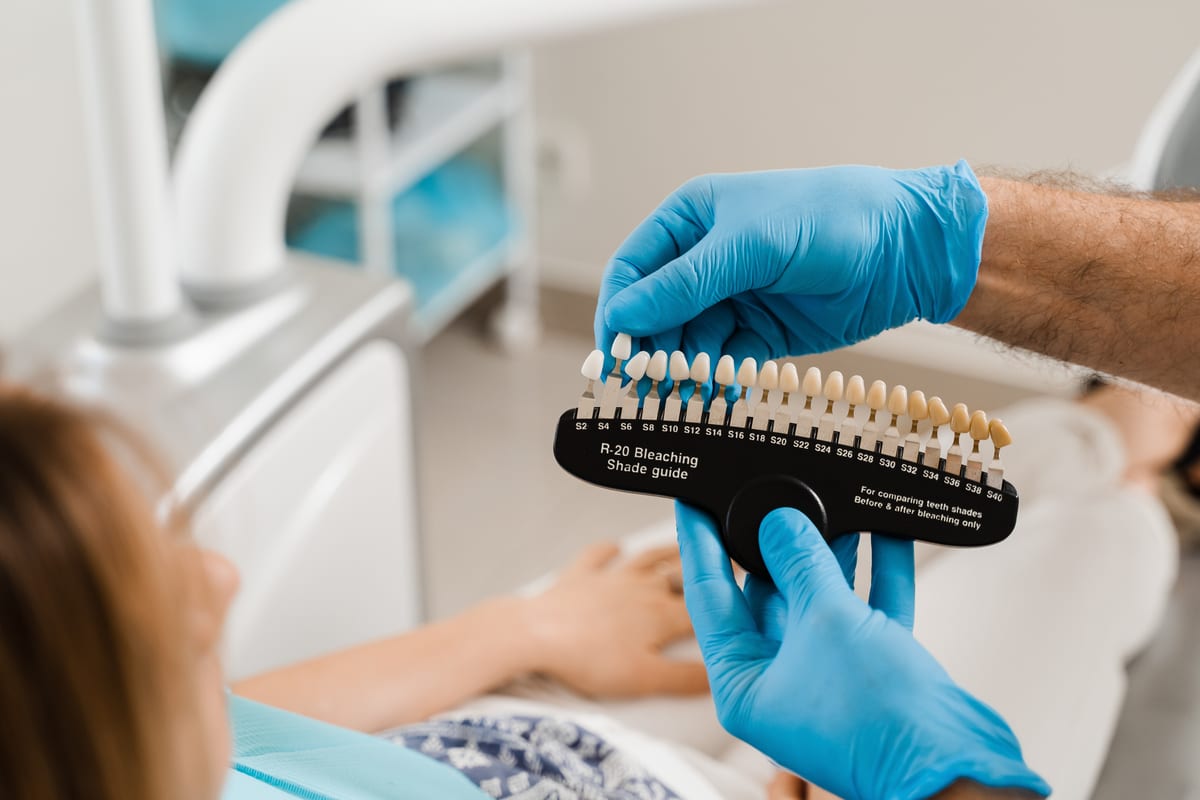
During the consultation, you will discuss shade selection for your veneers. Dr. Maconi uses a professional shade guide to find a color that looks natural against your skin tone. You can choose a whiter shade or match your existing teeth closely. Getting this right before any preparation begins is essential.
Dr. Maconi also explains alternatives during this visit. Depending on your needs, other restorative options — like Dentures Havertown — may be discussed for patients with more extensive tooth loss. Every treatment decision is personalized to your unique situation.
Step Two: Tooth Preparation and Enamel Removal
This is the step that patients ask about most often. To bond a veneer securely, Dr. Maconi removes a small amount of enamel from the front surface of each tooth. Typically, this amounts to about 0.5 millimeters — roughly the thickness of a contact lens. The removal is precise and carefully controlled.
Why is enamel removal necessary? Veneers are thin porcelain shells. Without removing some enamel, the veneer would sit too far forward. This would make your tooth look and feel bulky. Shaving a thin layer creates room for a seamless, natural-looking result.
It is important to understand that this step is irreversible. Once enamel is removed, your teeth will always need some form of covering. Dr. Maconi discusses this honestly with every patient beforehand. Informed consent is a core part of care at Havertown Dental Arts.
Here is what happens during the preparation appointment:
- Local anesthesia is applied to keep you comfortable
- Dr. Maconi gently removes the thin layer of enamel
- Impressions or digital scans of your teeth are taken
- Shade selection is confirmed before the lab receives your case
- Temporary veneers are placed to protect your teeth
Step Three: The Temporary Veneer Phase
After preparation, your teeth are not left exposed. Dr. Maconi places temporary veneers while the dental lab crafts your permanent ones. This phase typically lasts one to two weeks. Temporaries protect your prepared teeth and give you a preview of your new smile.
Temporary veneers are made from composite resin. They are not as durable as your permanent porcelain veneers. You should avoid biting into hard foods and sticky substances during this phase. Treating them gently ensures they stay in place until your final appointment.
Some patients experience mild sensitivity during this period. This is completely normal. The prepared enamel surface is slightly more exposed, which can make teeth react to hot or cold. This sensitivity typically fades once the permanent veneers are bonded in place.
The temporary phase is also a valuable feedback opportunity. If something feels off — the shape, the length, or the bite — you can communicate that to Dr. Maconi. Adjustments can be communicated to the lab before your final veneers are completed. Your comfort and satisfaction guide every decision.
Step Four: Bonding Your Permanent Veneers
When your permanent veneers return from the lab, the bonding appointment begins. Dr. Maconi first places each veneer on your tooth without adhesive to check the fit and color. Any fine adjustments are made at this stage. Only when everything looks perfect does the bonding process begin.
The bonding steps include:
- Your teeth are cleaned and lightly etched to create a bonding surface
- A special dental adhesive is applied to each veneer
- Dr. Maconi positions each veneer carefully and holds it in place
- A curing light hardens the adhesive in seconds
- Excess adhesive is removed and your bite is checked
The result is a veneer that feels like a natural part of your tooth. Porcelain veneers are stain-resistant and highly durable. With proper care, they can last ten to twenty years. Dr. Maconi reviews aftercare instructions before you leave the office.
It is worth noting that veneers are not the right solution for every patient. Those with significant tooth damage or missing teeth may be better candidates for crowns or implants. If a dental issue arises unexpectedly during treatment — including anything urgent — our team also provides Emergency Dentistry Havertown patients can rely on.
Benefits of Choosing Veneers for Your Smile
Understanding the procedure helps, but it also helps to know why so many Havertown patients choose veneers. Here are some of the most common reasons people pursue this treatment:
- Veneers cover chips, cracks, and discoloration effectively
- They create a uniform, symmetrical smile appearance
- Porcelain resists staining from coffee, tea, and wine
- The results look and feel completely natural
- Minimal tooth structure is removed compared to crowns
- They can correct minor spacing or alignment issues
Veneers are a long-term investment in your smile and confidence. Dr. Maconi takes pride in crafting results that feel authentic — not artificial. Every set of veneers placed at Havertown Dental Arts is designed specifically for that patient’s face and features.
What to Expect After Your Veneer Placement
Most patients adjust to their new veneers within a few days. Your bite may feel slightly different at first. This is normal and settles quickly as your mouth adapts. If any discomfort persists beyond a week, contact the office for a quick follow-up.
Caring for your veneers is straightforward. Brush twice daily with a non-abrasive toothpaste. Floss gently around each veneer every day. Avoid using your teeth as tools — do not open packages or bite your nails. These habits protect both the veneers and your underlying teeth.
Routine dental visits remain important after veneer placement. Dr. Maconi monitors the veneers at each checkup to ensure the bond remains strong. Regular cleanings also protect the health of your gums and surrounding teeth. Veneers look best when your overall oral health is maintained.
If you are ready to learn what happens to your teeth during veneer placement step-by-step in Havertown and whether this treatment is right for you, our team is here to help. Book Now to schedule your appointment with our team.
Frequently Asked Questions
Does getting veneers hurt?
Most patients experience minimal discomfort during the procedure. Dr. Maconi uses local anesthesia during the tooth preparation stage to keep you comfortable. Some mild sensitivity is normal in the days following placement, but it typically fades quickly.
How long does the veneer process take from start to finish?
The full veneer process usually takes two to three appointments spread over two to four weeks. The consultation, preparation, and bonding visits are scheduled to allow time for the dental lab to craft your custom veneers between appointments.
Will my veneers look natural?
Yes. Dr. Maconi carefully selects the shade, shape, and size of each veneer to complement your facial features. Porcelain mimics the light-reflecting properties of natural tooth enamel, making the results look completely authentic.
Can veneers be removed or replaced?
Because a thin layer of enamel is removed during preparation, veneers are considered a permanent commitment. However, they can be replaced if they chip, crack, or wear over time. With proper care, most porcelain veneers last ten to twenty years before replacement is needed.
Are veneers right for everyone?
Veneers work best for patients with healthy teeth and gums who want to address cosmetic concerns like discoloration, chips, or minor alignment issues. Patients with significant tooth decay, gum disease, or heavy grinding habits may need to address those conditions first. Dr. Maconi will evaluate your full dental health before recommending veneers.
Recent Posts

Why That $100 Checkup Beats a $2,000 Emergency Later

Will Teeth Whitening Actually Work For You? A Candidacy Guide

Your Cosmetic Dentistry Results: How Long Will They Actually Last

Stop Cavities Before They Start: Your Complete Child Brushing Guide
