

Teeth Whitening Safety in Ardmore, PA
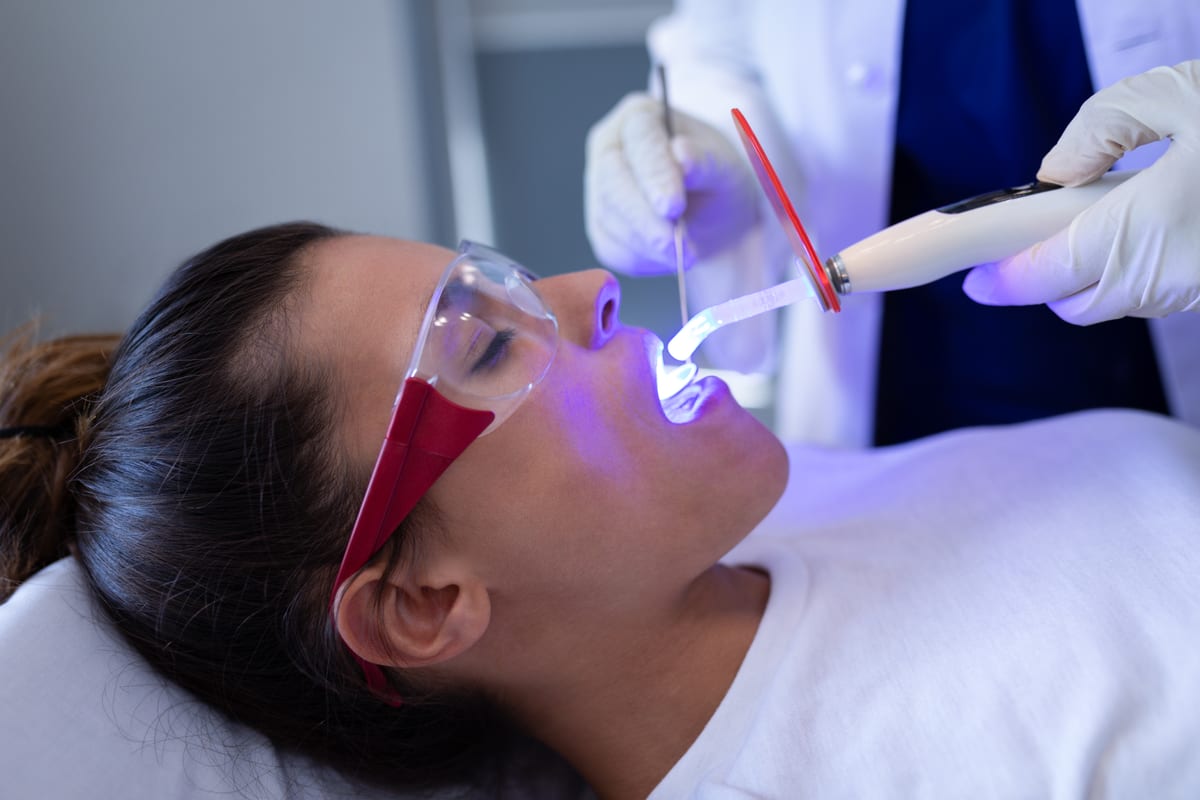
Many patients in Ardmore, PA ask the same important question: Is professional teeth whitening safe for your enamel and gums? It is a fair concern. Whitening treatments use active bleaching agents, and it is natural to wonder about long-term effects. The good news is that professional whitening, when done correctly, is considered safe for most patients. Dr. David Maconi at Havertown Dental Arts helps patients understand the facts before making any decisions.
How Professional Teeth Whitening Works in Ardmore
Professional whitening uses peroxide-based gels to break down stain molecules on teeth. The concentration of hydrogen peroxide or carbamide peroxide varies depending on the treatment. In-office treatments typically use a stronger concentration than take-home kits. This is why professional results are faster and more controlled than store-bought products.
Whitening does not change the actual structure of your enamel. It targets chromogens — the pigmented compounds that cause discoloration. The gel penetrates the outer enamel layer and lifts those stains. Your teeth are not being stripped or thinned during this process.
A key advantage of professional whitening is dentist supervision. Dr. Maconi evaluates your teeth and gums before treatment begins. That evaluation helps catch any issues that could make whitening uncomfortable or unsafe for you personally.
Is Professional Teeth Whitening Safe for Your Enamel? What Ardmore Patients Should Know
Research consistently shows that professional whitening does not permanently damage enamel. Studies published in dental journals confirm that peroxide gels do not soften or erode tooth structure at recommended concentrations. Temporary mineral loss can occur during treatment, but enamel re-mineralizes naturally afterward.
Patients with very thin enamel or existing erosion may experience more sensitivity. This is why a dental exam before whitening matters. If your enamel is already compromised, whitening may not be recommended right away. Strengthening enamel through Preventative Dentistry approaches first is often the better path.
Here are key enamel safety facts every patient should understand:
- Professional peroxide concentrations are tested for safety at recommended use levels
- Enamel temporarily loses minerals during whitening but recovers within 24 hours
- Over-whitening or using products too frequently can increase sensitivity risk
- Dentist supervision significantly reduces the chance of enamel-related side effects
- Fluoride treatments after whitening can support re-mineralization
What About Gum Sensitivity During Teeth Whitening?
Gum irritation is one of the most commonly reported side effects of whitening. It usually happens when bleaching gel contacts soft tissue. In a professional setting, your dentist takes precautions to protect your gums. Custom-fitted trays and barrier gels help keep the whitening agent away from gum tissue.
Over-the-counter strips often do not fit precisely. This increases the chance of gel leaking onto gums and causing irritation. Professional trays are made specifically for your mouth, reducing that risk significantly.
Any gum sensitivity from professional whitening is typically temporary. It often resolves within a day or two after treatment. If sensitivity persists or worsens, patients are encouraged to contact the dental office right away. Dr. Maconi and the team at Havertown Dental Arts are always available to address post-treatment concerns.
Who Should Avoid Teeth Whitening? Important Considerations for Ardmore Patients
Professional whitening is not appropriate for everyone. Certain conditions and circumstances make whitening inadvisable or require extra precautions. Understanding these situations helps patients make informed choices about their oral health care.
Patients who should avoid whitening or consult their dentist first include:
- Pregnant or nursing individuals — bleaching agents are not recommended during this time
- Children and teens under 16 — tooth development is still ongoing
- Patients with active gum disease or untreated cavities
- Those with severe tooth sensitivity or exposed root surfaces
- Patients with crowns, veneers, or bonding on front teeth — whitening does not change restoration color
- Individuals with known allergies to peroxide-based products
Restorations like dental crowns and bridges will not whiten along with natural teeth. This can create uneven coloring. It is important to discuss any existing dental work before starting a whitening treatment. Dr. Maconi will review your full dental history to determine the safest approach for your smile.
Patients missing teeth who are exploring restorative options like Dental Implants should coordinate timing carefully. Whitening natural teeth before placing implants can help ensure a more consistent final color match.
How to Minimize Whitening Side Effects
Most whitening side effects are mild and manageable. The key is following professional guidance and not rushing the process. Patients who try to over-whiten in a short period are more likely to experience discomfort. Spacing out treatment sessions protects both enamel and gum tissue.
Practical tips for a safer whitening experience include:
- Use a sensitivity toothpaste starting one week before treatment
- Avoid very hot or cold foods and drinks immediately after whitening
- Follow your dentist’s recommended treatment schedule — do not skip steps
- Avoid acidic foods like citrus and soda during the whitening period
- Use your custom trays only as directed — more is not better
Good oral hygiene habits also support your whitening results. Brushing twice daily and flossing regularly prevents new stains from forming quickly. Routine dental cleanings keep surface staining under control between whitening treatments.
Conclusion: Making an Informed Choice About Whitening Safety
Professional teeth whitening is a well-studied and generally safe procedure for healthy patients. The risks are real but manageable when treatment happens under dental supervision. Enamel and gum concerns are valid — and they deserve honest, factual answers. Dr. David Maconi and the team at Havertown Dental Arts are committed to giving Ardmore patients exactly that.
If you have questions about whether whitening is right for your smile, start with a consultation. A thorough exam gives you the clearest picture of your oral health and your safest options. Book Now to schedule your appointment with our team.
Frequently Asked Questions
Does professional teeth whitening damage enamel permanently?
No. Research shows that professional whitening at recommended concentrations does not permanently damage enamel. Temporary mineral loss can occur, but enamel naturally re-mineralizes within about 24 hours after treatment. Dentist supervision helps ensure the process stays within safe parameters for your specific teeth.
How long does gum sensitivity last after whitening?
Gum sensitivity after professional whitening is usually mild and temporary. Most patients notice improvement within one to two days after treatment. Custom-fitted trays used in professional treatments reduce gum contact with the bleaching gel, which significantly lowers the likelihood of irritation compared to store-bought strips.
Can patients with sensitive teeth get professional whitening?
Patients with mild sensitivity can often still receive professional whitening with some modifications. Dr. Maconi may recommend a lower concentration gel or a shorter treatment duration. Using a sensitivity toothpaste before and after treatment also helps manage discomfort. Patients with severe sensitivity should discuss alternatives during a consultation.
Will whitening treatment affect my existing dental crowns or veneers?
Whitening agents do not change the color of dental restorations such as crowns, veneers, or bonding. Only natural tooth structure responds to peroxide-based whitening gels. If you have visible restorations on your front teeth, Dr. Maconi will discuss how to approach whitening so that your final results look as even and natural as possible.
How often can I safely whiten my teeth?
Most dentists recommend professional whitening treatments no more than once or twice per year. Whitening too frequently can increase tooth sensitivity and gum irritation. Touch-up treatments may be appropriate in between, but your dentist should guide the schedule. Following professional recommendations protects your enamel and keeps your results looking their best long-term.
Recent Posts

Your Cosmetic Dentistry Results: How Long Will They Actually Last

Stop Cavities Before They Start: Your Complete Child Brushing Guide

Afraid of the Dentist? Here’s What Modern Practices Do Differently

Is a Dental Bridge Right for Your Missing Tooth Situation